Easy Protein Rich Vegan Meals to Boost Your Nutrition
Many think vegan diets lack protein and energy. This myth keeps many from trying plant-based eating. But, the truth is, you can build a strong body with tasty, protein-rich vegan meals.
Going vegan doesn’t need fancy cooking or expensive foods. Foods like lentils, chickpeas, tofu, and quinoa have plenty of protein. Athletes, busy people, and families in the U.S. find plant-based eating helps their fitness and health.
Starting your nutrition journey is easy. This guide shows you simple meal ideas that fit your life. You’ll learn which foods are high in protein and how to make them fast. Whether for work energy or gym support, vegan options work well.
Next, you’ll see tasty vegan protein meals that won’t break the bank. You’ll see how plant-based eating boosts your nutrition and keeps you full. Get ready to feel stronger, more energized, and confident in your food choices.
Table of Contents
Key Takeaways
- Plant-based protein sources like lentils, beans, and tofu provide complete nutrition your body needs
- Vegan protein meals support muscle growth and recovery just like animal-based foods
- High protein vegan options keep you satisfied between meals and boost your energy
- Real, whole foods cost less than supplements and deliver better results
- Building vegan protein meals into your daily routine takes minutes with the right recipes
- Plant-based eating works for athletes, professionals, and anyone seeking better health
Why Protein Rich Vegan Meals Are Essential for Your Health
Your body needs protein every day to work well. A vegan diet gives you all the protein you need without animal products. Protein helps build muscle, repair tissues, and keeps you full.
By choosing vegan, you get extra benefits like fiber, antioxidants, and plant compounds. These support your health in ways animal products can’t.
Understanding Plant-Based Protein Benefits
Plant proteins offer more than amino acids. Legumes, tofu, tempeh, and grains give you fiber for better digestion and heart health. Soy has been linked to better heart health and cancer prevention.
Plant foods have unique nutrients not found in animal products. Each meal brings benefits like fiber, phytonutrients, antioxidants, and vitamins.
- Fiber for digestive health and steady energy
- Phytonutrients that fight inflammation
- Antioxidants that protect your cells
- B vitamins and minerals from whole food sources
- Cholesterol-free protein options
How Vegan Proteins Support Muscle Growth and Repair
Some think plant proteins can’t build muscle like animal proteins. But, plants have all nine essential amino acids your muscles need. Eating a variety of plant foods gives your body the amino acids it needs.
You don’t need to combine foods at every meal. Your body stores amino acids and uses them as needed. A vegan diet supports muscle recovery, maintains muscle mass, and builds strength with proper training.
| Plant Based Protein Source | Protein per Serving | Key Amino Acid Strength | Additional Benefit |
|---|---|---|---|
| Lentils (1 cup cooked) | 18 grams | High in lysine | Rich in fiber and iron |
| Tofu (3.5 ounces) | 15 grams | Complete amino acids | Cardiovascular health support |
| Quinoa (1 cup cooked) | 8 grams | Complete amino acids | Contains manganese and magnesium |
| Chickpeas (1 cup cooked) | 15 grams | High in lysine | Supports blood sugar balance |
| Hemp Seeds (3 tablespoons) | 10 grams | Complete amino acids | Excellent source of omega-3s |
Eating enough protein is key for a vegan diet. Most need about 0.8 grams per pound of body weight. With consistent intake from plant sources, you build a strong, healthy body while enjoying nourishing foods.
Top High Protein Vegan Foods to Stock in Your Kitchen
Having a well-stocked kitchen with high protein vegan foods makes meal prep easy. With the best vegan proteins ready, you can make healthy meals without rushing to the store. Your kitchen becomes your ally for meeting your protein needs.
Let’s look at the top plant-based proteins you should have:
| Vegan Protein Source | Serving Size | Protein Content | Calories | Key Benefits |
|---|---|---|---|---|
| Seitan | 4 oz | 35g | 180 | Highest protein density, versatile texture |
| Tempeh | 4 oz | 19g | 190 | Contains probiotics, firm texture |
| Extra-Firm Tofu | 4 oz | 15-20g | 180 | Adaptable, absorbs flavors easily |
| Soy Curls | 1 oz | 11g | 120 | Quick-cooking, convenient format |
| Lentils (cooked) | 1 cup | 18g | 230 | Rich in fiber, iron, and minerals |
| Chickpeas (cooked) | 1 cup | 15g | 270 | Versatile, budget-friendly |
Seitan is a standout with 35 grams of protein and 180 calories per 4-ounce serving. It’s great for slicing, dicing, or shredding for many dishes.
Tempeh has 19 grams of protein and is fermented, which adds probiotics. It’s firmer and nuttier than tofu, perfect for stir-fries and sandwiches.
Tofu varies in firmness, affecting its protein content. Extra-firm tofu has more protein. Keep it in water in the fridge and change the water to keep it fresh.
Legumes and lentils are great for those watching their budget. They’re packed with protein, fiber, and minerals. Buy them in bulk or keep canned options for quick meals.
Soy curls are a convenient, dehydrated option that rehydrates fast. They’re perfect for quick meals when you’re in a hurry.
- Buy dried legumes in bulk for cost savings
- Stock canned beans for quick meal assembly
- Store tofu and tempeh in airtight containers
- Keep seitan in the refrigerator for easy access
- Use soy curls for rapid meal preparation
With these high protein vegan foods, you’re set for quick, tasty meals that support your health goals and keep you full all day.
Starting Your Day Strong with Protein-Packed Vegan Breakfasts
Breakfast is key to a great day. Vegan protein meals in the morning give you energy and help muscles recover. They keep you full until lunch and prevent energy drops.
The best vegan breakfasts mix whole grains, proteins, and healthy toppings. Eating protein early, especially after exercise, helps muscles repair and grow.
Berry Protein Oatmeal for Post-Workout Recovery
Berry protein oatmeal is easy to make. Oats are good for your heart and lower cholesterol. Berries add antioxidants for muscle recovery.
Frozen blueberries are cheaper and cool your oatmeal. This breakfast has carbs for energy and protein for muscles. It’s quick and nutritious.
- Steel-cut or rolled oats for texture and fiber
- Frozen blueberries for antioxidants and cost savings
- Plant-based milk for creaminess
- Pinch of cinnamon for flavor
Adding Flaxseeds and Protein Powder for Extra Nutrition
Ground flaxseeds are full of nutrients. They have omega-3s and lignans for hormonal health. They add a nutty taste without changing the flavor.
Plant-based protein powder adds 20-30 grams of protein. Peanut butter protein powder is great with berry oatmeal. Mix it in while the oatmeal is warm.
| Ingredient | Amount | Protein (grams) | Key Benefit |
|---|---|---|---|
| Rolled oats | 1/2 cup | 5 | Soluble fiber for heart health |
| Plant-based protein powder | 1 scoop | 20-25 | Muscle recovery and repair |
| Ground flaxseeds | 1 tablespoon | 2 | Omega-3s and lignans |
| Frozen blueberries | 1/2 cup | 1 | Antioxidants for recovery |
| Plant-based milk | 3/4 cup | 1 | Creamy texture |
Starting with vegan protein meals boosts your day. These options are easy, affordable, and effective for energy and recovery.
Protein Rich Vegan Lunch Ideas That Keep You Satisfied
Your midday meal is key to a productive afternoon. A protein-rich vegan lunch stops energy crashes and keeps you full until dinner. To build satisfying lunches, mix plant-based proteins with veggies and whole grains.
For lasting satisfaction, aim for 25 to 35 grams of protein per serving. This keeps your blood sugar steady and muscles strong all day. Pairing foods wisely makes it easy to hit this goal without complicated recipes.
Building Your Ideal Protein Rich Vegan Lunch
Begin with a protein source like tofu, tempeh, chickpeas, or lentils. Choose quinoa as your whole grain for more protein than rice. Add broccoli and red bell peppers for vitamin C, helping your body absorb iron from plant proteins.
Here’s how to make your ideal lunch:
- Marinated tofu or tempeh chunks
- Cooked quinoa or brown rice
- Steamed broccoli and bell peppers
- Tahini or peanut sauce for flavor
- Fresh leafy greens like spinach or kale
Quick Meal Prep Strategies
Make weekday lunches easy by prepping ahead. Cook quinoa in bulk on Sunday. Marinate tofu and chop veggies the night before. These steps turn lunch prep from a chore to a breeze.
| Lunch Component | Protein per Serving | Prep Time |
|---|---|---|
| Tofu (1 cup cooked) | 20g | 15 minutes |
| Quinoa (1 cup cooked) | 8g | 20 minutes |
| Chickpeas (1 cup cooked) | 15g | 10 minutes |
| Lentils (1 cup cooked) | 18g | 25 minutes |
Assemble your lunch fresh each morning with your prepped ingredients. Add tahini dressing or your favorite sauce. This way, you control nutrition and save time on busy weekdays.
Quick and Easy High Protein Vegan Dinner Recipes
After a long day, you don’t want to spend hours cooking dinner. Yet, dinner is your last chance to meet your daily protein goals. The good news? You can make delicious vegan protein meals in under 30 minutes. These simple recipes show that eating high protein vegan foods is easy and doesn’t need complicated techniques or long ingredient lists.
Quick dinners save you from kitchen frustration while still nourishing your body. Both recipes below are ready in minutes and are packed with protein.
Tofu Quinoa Stir-Fry with Vitamin C-Rich Vegetables
This dish combines two strong ingredients. Press your tofu to remove excess water, then cut it into cubes and pan-fry until crispy on all sides. In the same pan, add your cooked quinoa along with broccoli, red bell peppers, and snap peas.
The mix of these vegetables is key. The vitamin C from the peppers and broccoli helps your body absorb iron from the tofu and quinoa. This is crucial for avoiding iron deficiency on a plant-based diet.
Season with soy sauce, garlic, and ginger. Cook for 8 to 10 minutes until everything is heated through. You get a meal full of plant-based protein in about 20 minutes.
Chickpea Pasta with Kale and Nutritional Yeast
Chickpea pasta and legume-based pastas have up to 20 grams of protein per serving. This is much more than wheat pasta’s 7 grams. Swapping to chickpea pasta makes a big difference for your protein intake.
Cook your chickpea pasta as directed while sautéing fresh kale in olive oil with minced garlic. The kale adds vitamins A, C, and K along with extra plant protein. Toss the cooked pasta with the kale and sprinkle with nutritional yeast. This ingredient adds a cheesy, savory flavor and boosts protein even more. Add salt, pepper, and a squeeze of lemon juice.
This meal is ready in about 15 minutes. You can make simple vegan protein meals that satisfy your hunger and taste buds without sacrificing your evening relaxation time.
Seitan: The Versatile Meat Substitute for Complete Vegan Proteins
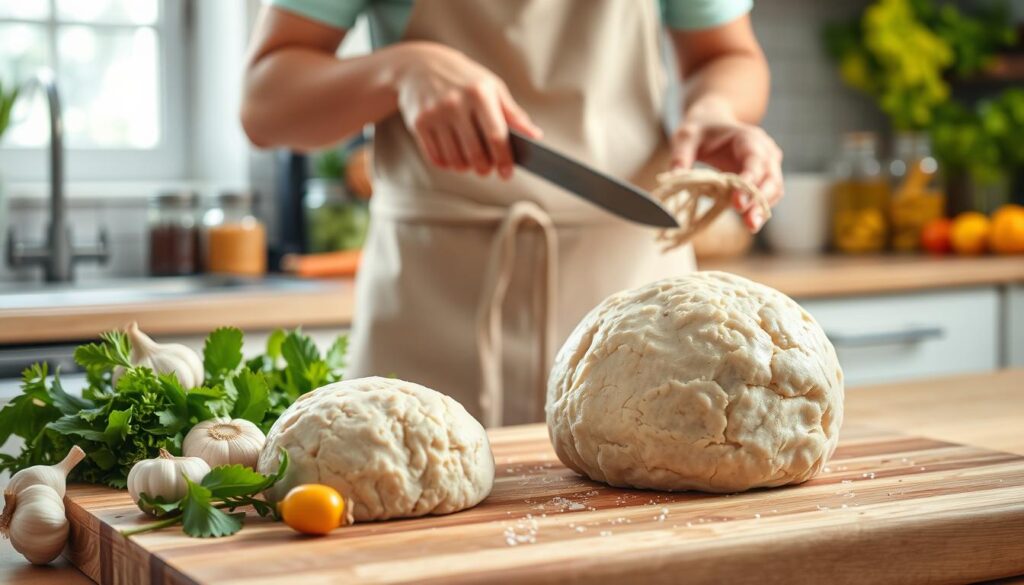
Seitan is a top choice for building muscle and feeling full. It’s made from wheat gluten and is a key part of Buddhist cuisine since the 6th century in China. It has about 35 grams of protein per 4-ounce serving, with only 180 calories.
Seitan is great because it’s easy to make and versatile. You can make it at home, saving money and controlling what’s in your food. It has a meat-like texture that’s perfect for those who miss traditional meat.
- Slice it thin for stir-fries with fresh vegetables
- Shred it for tacos and fajitas
- Cube it for hearty stews and soups
- Bread and bake it for chicken-style cutlets
- Add it to wraps and sandwiches
| Seitan Preparation Method | Best Use | Prep Time | Protein Per Serving |
|---|---|---|---|
| Sliced | Stir-fries and grain bowls | 15 minutes | 25g |
| Shredded | Tacos, fajitas, wraps | 20 minutes | 22g |
| Cubed | Stews, soups, curries | 25 minutes | 28g |
| Breaded | Parmesan, cutlets, fried dishes | 30 minutes | 30g |
But, seitan isn’t for everyone. It has gluten, so it’s not good for those with celiac disease or gluten sensitivity. For others, it’s a great way to keep meals interesting with its endless possibilities. Whether you’re making a stew or vegan parmesan, seitan makes plant-based eating tasty and satisfying.
Legumes and Beans Protein: Budget-Friendly Plant Based Protein Sources
Legumes and beans are great for those on a budget. They are full of protein, fiber, and minerals like iron and zinc. Plus, they are very affordable, costing just a few cents per serving.
Choosing legumes and beans is good for your health and wallet. Dried lentils cook fast, perfect for busy nights. Other beans take longer but save money and let you control salt levels.
Lentil and Bean Recipes for Maximum Nutrition
Legumes can make tasty meals for your family. They are great in many recipes that are both healthy and delicious:
- Lentil Bolognese creates a rich, meaty sauce perfect over pasta
- Black bean burgers provide a hearty plant-based meal
- Masoor dal tadka brings authentic Indian flavors to your table
- Chickpea cutlets offer crispy, protein-packed comfort food
- Butter bean curry delivers creamy, satisfying dishes
- Lentil sloppy joes bring classic comfort with protein power
Why Dried Beans Are Your Best Pantry Staple
Keep dried beans and lentils in your pantry for quick protein. Dried lentils cook fast for weeknight meals. Other beans need soaking but are cheaper and let you control taste and texture.
Canned beans are handy when you’re short on time. Cook beans in bulk and freeze them for easy meals. This way, you always have protein-rich legumes and beans ready.
Tempeh and Soy Curls: Underrated Vegan Muscle Building Foods
Building muscle on a plant-based diet means looking beyond common protein sources. Tempeh and soy curls are top vegan proteins that many miss. They offer great nutrition in forms that fit any meal.
Tempeh comes from Indonesia and is fermented soybeans. It’s dense, chewy, and has a nutty taste. This fermentation makes it easier to digest than other soy products.
Understanding Tempeh’s Nutritional Power
A 4-ounce tempeh serving has 19 grams of protein and only 190 calories. It’s packed with minerals like iron, magnesium, manganese, and calcium. The fiber helps with digestion and keeps you full.
Tempeh is versatile. Try it in teriyaki with broccoli for 21 grams of protein per serving. You can also make marinated tempeh tacos and meatballs for meal prep.
Soy Curls: The Convenient Protein Option
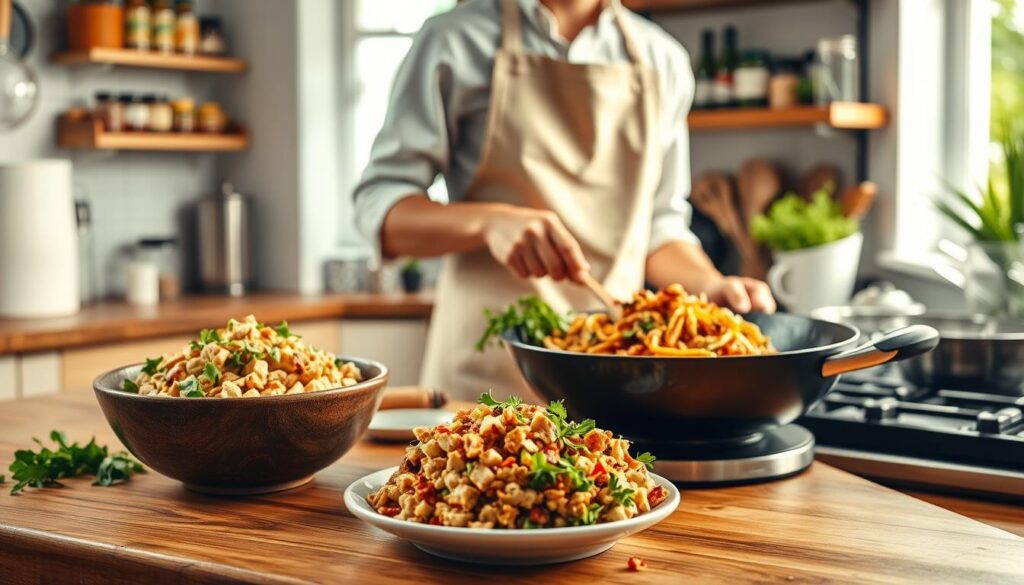
Soy curls are made from whole soybeans and taste meaty. Each serving has 11 grams of protein and only 120 calories. They’re easy to use because they’re dehydrated and just need a quick soak.
Soak soy curls, squeeze out water, and sauté with seasonings. A BBQ soy curl bowl has 25 grams of protein and 8 grams of fiber. Soy curls are great for pulled protein bowls, vegan “fried chicken,” or Asian dishes.
| Protein Source | Serving Size | Protein (grams) | Calories | Key Minerals |
|---|---|---|---|---|
| Tempeh | 4 oz | 19 | 190 | Iron, Magnesium, Manganese, Calcium |
| Soy Curls | 1/4 cup dry | 11 | 120 | Zinc, Iron, Potassium |
| Teriyaki Tempeh with Broccoli | 1 serving (1/3 recipe) | 21 | 331 | Iron, Magnesium, Fiber |
| BBQ Soy Curl Bowl | 1 bowl | 25 | 625 | Fiber (8g), Iron, Zinc |
Why These Vegan Muscle Building Foods Matter
Tempeh and soy curls have all nine essential amino acids your muscles need. They’re top vegan proteins for muscle growth.
Find tempeh in the fridge and soy curls in the bulk aisle. Store them properly. These foods are key for a balanced diet.
- Tempeh offers 19g protein per 4 oz serving with beneficial fermentation
- Soy curls provide convenient meal prep options requiring minimal cooking time
- Both sources deliver complete amino acid profiles for muscle support
- Their meaty textures work well in tacos, bowls, and stir-fries
- Cost-effective choices compared to specialty vegan meat products
Essential Supplements and Nutrients for Your Vegan Protein Diet
Creating a strong vegan protein diet is more than just eating plants. You need to know which nutrients are key when you follow a dairy-free high protein diet. Plants are great for protein, but some vitamins and minerals need supplements. This keeps you healthy and energized while you reach your fitness goals.
A good vegan protein diet mixes whole foods with supplements to fill gaps. You don’t have to worry about too many pills. Think of supplements as your team that helps with your meals.
B12, Omega-3s, and Mineral Support for Plant-Based Eaters
Some nutrients, like B12, are hard to get from plants. B12 helps your nerves and blood cells. You need a B12 supplement or fortified foods to get it.
Omega-3s are important too. Your body needs EPA and DHA, not just ALA from flaxseeds. Algae supplements give you these important forms right away.
- Vitamin B12 for nerve function and energy
- Pre-formed EPA and DHA omega-3s from algae
- Iodine from kombu seaweed
- Selenium from one Brazil nut daily
Balancing Whole Foods with Strategic Supplementation
Your vegan diet works best with real foods and smart supplements. Flaxseeds have omega-3s and lignans, but your body can’t easily turn ALA into EPA and DHA. An algae supplement fills this gap without replacing meals.
Begin your day with supplements and healthy foods. Kombu seaweed gives you iodine, and one Brazil nut gives you selenium. This mix meets your nutritional needs without making you dependent on pills.
Choosing quality supplements is key. Pick brands tested by third parties. Follow the dosage on the label. This balanced approach keeps your diet healthy and sustainable for years.
Conclusion
Building a protein-rich vegan diet is simpler than you think. You now have all the tools to succeed. From knowing your protein needs to stocking your kitchen, you can make tasty meals that fuel your goals. You can choose from seitan, tempeh, legumes, or fortified pastas.
Your journey with vegan eating doesn’t need to be perfect from the start. Start by adding one new protein source or recipe each week. Try chickpea pasta on Monday, seitan stir-fry on Wednesday, and lentil soup on Friday. Small steps lead to big changes.
Remember, your reasons for choosing vegan eating matter. You might want better athletic performance, care about animal welfare, or worry about the environment. A well-planned vegan diet supports all these goals. With B12 and omega-3s supplements, your body gets everything it needs.
Start today. Pick one meal, try one recipe, and stock one new item. Your confidence will grow with each meal. Soon, vegan meals will feel natural and satisfying. Your best health journey begins now.